
Party
Shot Roulette
Spin the wheel, take your glass - some are water, some are not.
The classic spinner, rebuilt as a dare-or-drink pointer.
Also known as: Bottle Spin (drinking version)

Spin the Bottle grew up. The drinking version keeps the one perfect mechanic - An empty bottle whirling in the middle of the circle, everyone watching where fate points - And swaps the middle-school kiss for a grown-up menu: answer a truth, take a dare, or take a sip. It's the simplest randomizer at the party, which is exactly why it still works. Nobody chooses the victim; the bottle does, and the bottle has no friends.
Because the penalty is a choice, Spin the Bottle scales to any crowd. Shy groups lean on sips, chaotic groups lean on dares, and nosy groups turn it into a confession engine. There's no score, no elimination and no skill - Just a rotating spotlight that lands on someone new every thirty seconds. Set it spinning early in the night and it will quietly become the game everyone stays in the room for.
The spinner gives the bottle a firm, flat spin in the center of the circle. A good spin makes at least two full rotations - Anything less is a 'weak spin' and gets re-spun. No nudging the bottle, no spinning it softly toward your target; the whole game rests on the bottle being an honest referee.
When the bottle stops, the neck points at the round's chosen player. If it lands ambiguously between two people, the closest shoulder to the line wins the honor - Or re-spin if the table genuinely can't agree. The pointed-at player can't pass the spotlight; the only choice they get is what happens next.
The spinner asks: truth, dare, or drink? The chosen player picks one. A truth must be answered honestly and fully - One-word dodges earn a sip on top. A dare must be doable in the room in about a minute. A drink is a sip or two of their own beverage, the universal escape hatch that keeps the game kind.
The spinner supplies the truth question or the dare, so put thought into it - The best prompts are specific, funny and aimed at the person, not generically humiliating. The table enforces completion: half-answered truths and abandoned dares convert to a drink automatically. Then the round is over. No lingering, no double penalties.
The player who just performed becomes the new spinner. This is the game's quiet balancing act: whoever just suffered gets to point the bottle next. Keep rounds fast - Spin, land, menu, done in under two minutes - And the bottle should make it around a ten-person circle several times an hour.
As the night warms up, the group can vote to raise the stakes: truths get more personal, dares get more theatrical, or add house twists like 'double spin' rounds where the bottle picks both a performer and a partner for the dare. Escalation is a group decision, never one pushy spinner's - The menu's drink option always remains.
Strip the menu down to two options: answer honestly or take a sip. With dares removed, the game becomes a pure confession engine and works brilliantly for smaller, closer groups. Keep a stack of pre-written questions in the middle for spinners who blank - The game dies fast when every truth is 'so... who do you like?'
Every player writes two dares on slips of paper and drops them in a cup before the game. When the bottle picks you, you draw a random slip instead of hearing the spinner's idea. Nobody knows whose dare they'll pull - Including the authors, who suddenly regret their own handwriting. Anonymous authorship makes the dares braver and the reveals funnier.
Arrange a ring of small cups around the bottle - Most water, a couple with something stronger, one with a mystery mixer (edible, agreed-on categories only). Whoever the bottle picks takes the cup nearest the neck, then refills it for the next round. It plays like a gentler cousin of shot roulette and needs zero creativity from tired spinners.
Spin two bottles at once: the first picks the performer, the second picks their scene partner for a joint dare - A duet, a two-person reenactment, a staring contest. Doubling the victims halves the stage fright, and the random pairings are the whole show. Best for groups of eight or more where everybody already knows everybody.
Pointer games built around a spinning object go back well over a century - Folk historians trace bottle-spinning parlor games to the early 1900s or earlier, and the kissing version became an American teen-party fixture by the mid-20th century. The truth-dare-or-drink adaptation is a more recent evolution, reportedly emerging from college pregames that wanted the bottle's randomness without the kissing. Exact credit, as with most drinking games, is anyone's guess.
Published · Last updated · How we research games
Spin the wheel, take your glass - some are water, some are not.

Read the card out loud without cracking a smile - laugh and you drink.
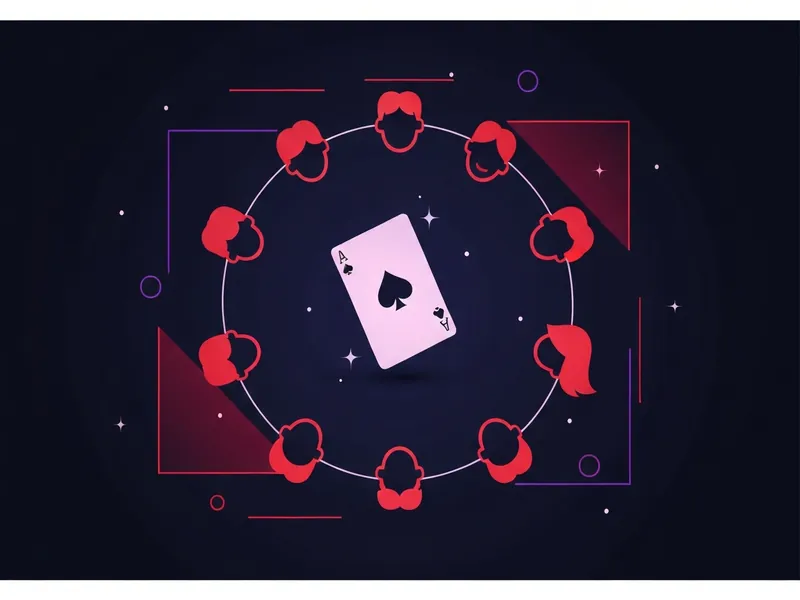
Pass a card mouth to mouth on suction alone - drop it and pay up.

Throw your antlers up on cue - the last hands up every round drinks.
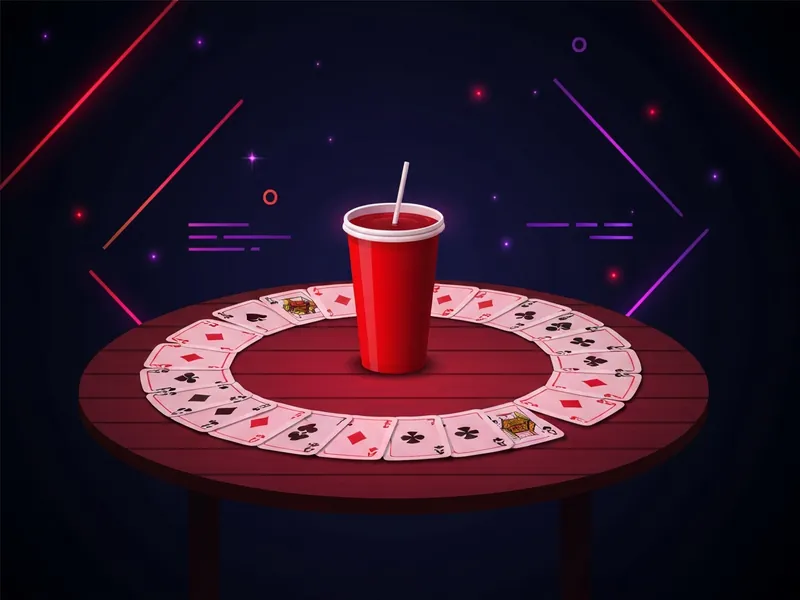
The king of card drinking games - every card is a rule.

Random song, your microphone - sing it or sink it.
BestDrinkingGame.net is a drinking-games site made for adults. Please confirm you are of legal drinking age before you come in.
By entering you agree to our terms and to drink responsibly. Know the legal drinking age where you live (21+ in the US).
You need to be of legal drinking age to use this site. Thanks for stopping by, and stay safe.
Every game here can also be played alcohol-free once you're old enough. See you soon.