Word
Thumper
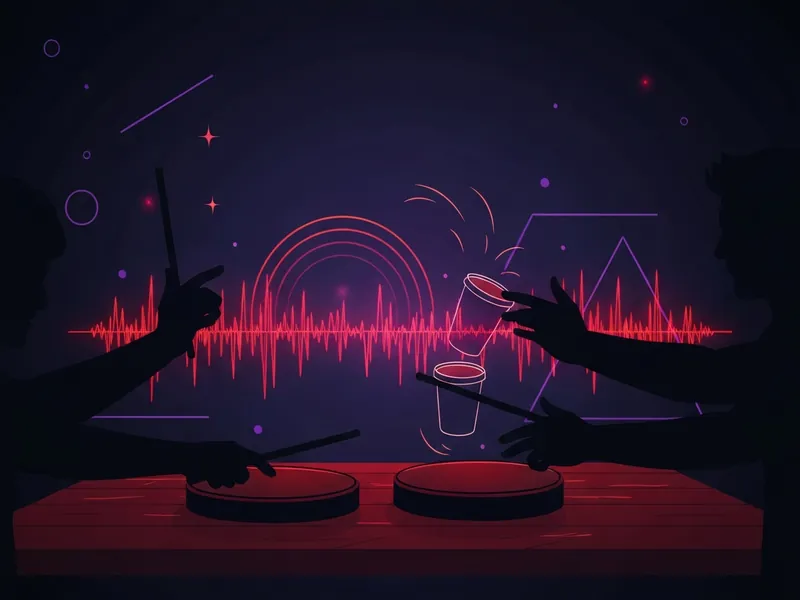
Drum the table, throw your sign, catch theirs - miss and drink.
Build a story one word each - break the flow, take a drink.
Also known as: One Word Story
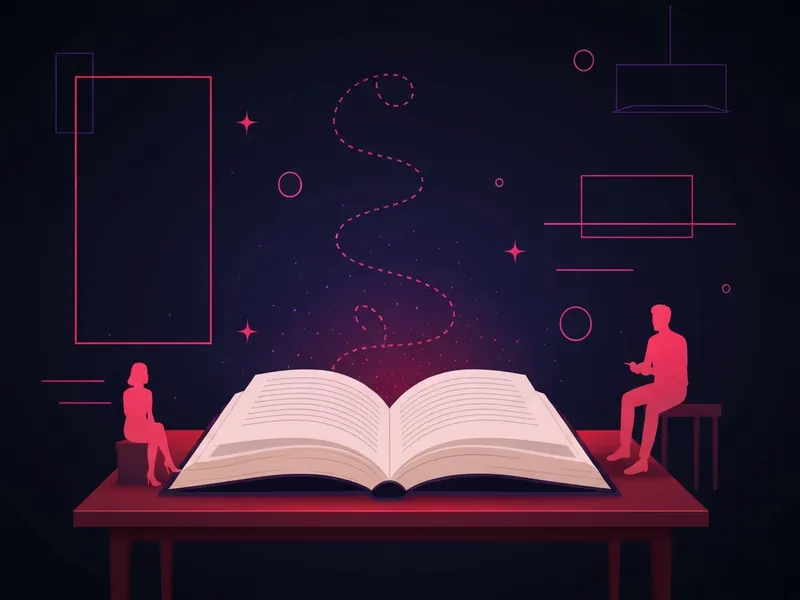
The Story Game asks the table to write a masterpiece together, one word per person. 'Once' - 'upon' - 'a' - 'time' - 'Gary' - 'exploded.' Each player adds exactly one word to the growing story, keeping it grammatical and keeping the rhythm. Hesitate, break the grammar, kill the sentence, or laugh so hard you can't speak, and you drink while the story waits for you to recover.
No drinking game produces better out-of-context quotes. The story lurches between genius and nonsense as each player yanks the plot toward their own agenda - one person building a romance, the next introducing a crime scene, a third insisting on adding 'moist' at every legal opportunity. It's collaborative, it's zero-equipment, and it's the rare drinking game where the funniest moments are the successes, not the fails.
The first player says a single word - traditionally 'Once,' though ambitious tables have opened with 'Meanwhile,' 'Officer,' and 'Regrettably.' The word is spoken once, clearly, and the story now exists. Everything that follows must build on it, one word and one player at a time, moving clockwise.
On your turn, add one word that continues the story grammatically. Not two words, not a hyphenated cheat, not 'uh.' Your word must fit what came before - after 'The dragon suddenly,' you can say 'sneezed' but not 'purple.' You don't control where the sentence goes next; you only steer it one word's worth. That constraint is the entire game.
Each word should land within about three seconds. The story should flow at conversational speed, because momentum is what makes it funny - a story delivered at a shuffle is just a bad sentence being assembled by committee. Some tables keep a light finger-snap going; a word landing on the beat feels fantastic, and silence where a word should be is unmissable.
A player may spend their turn saying 'period' (or 'full stop'), ending the current sentence; the next player starts a fresh one. This is a powerful move: it can rescue a sentence spiraling into grammatical debt, or cruelly cut off someone's carefully constructed setup right before the payoff. Question marks and exclamation points work the same way, if declared.
A player drinks if they hesitate past the limit, add a word that breaks grammar, repeat their previous word as a stall, add multiple words, or laugh themselves unable to speak. Nonsense that's technically grammatical is legal - 'the sandwich testified' is fine. After the drink, the story continues from where it broke, or restarts fresh if the group votes the story dead.
Appoint a narrator (or take turns) to occasionally recap the story so far in a dramatic voice, especially after a fail or at the end. This is the payoff ritual: hearing the full saga - the betrayals, the sudden ostrich, the paragraph where everyone was fighting for control of one verb - read aloud with gravitas is consistently the hardest laugh of the night.
Before starting, the group declares a genre: noir, fairy tale, nature documentary, corporate email. Words that betray the genre - a fairy tale suddenly containing 'quarterly' - trigger a table vote and a drink for the offender. Genre Lock produces the most coherent stories, and coherent stories somehow make the inevitable derailments even funnier.
Each player adds three words instead of one. Stories develop actual plots at triple speed, and players can execute real agendas - but three words also means three chances to break grammar, and the pause limit stays the same. Better for smaller groups where one-word turns come around too fast to build anything.
One secretly chosen player (draw folded papers) tries to kill the story - steering it into grammatical dead ends without getting caught. At any point the table can vote to accuse someone; a caught saboteur finishes their drink's worth of sips over the round, a wrong accusation means the accusers drink. Adds social deduction to the storytelling.
Before each story, the group bans the three most useful words in the language - typically 'the,' 'and,' plus one chosen cruelty like 'was.' Speaking a banned word is an instant drink. Watching players contort sentences to avoid 'the' produces genuinely avant-garde literature and constant, delicious fails.
One story continues all night, resumed between other games, with a designated scribe typing it into a phone. Fails still cost drinks, but the story never resets. At the end of the night, the scribe performs the complete saga as a closing ceremony. Some friend groups keep these transcripts for years, and honestly, they should.
One-word-at-a-time storytelling is a staple of improv theater and drama classrooms, where it has been used for decades to teach players to accept and build on each other's ideas. Its ancestors include Victorian parlor storytelling games and the surrealists' 'exquisite corpse' writing exercises of the 1920s. The drinking adaptation is undocumented but unsurprising - any game with a clear way to fail gets a drinking version eventually, and this one fails hilariously.
Published · Last updated · How we research games
Drum the table, throw your sign, catch theirs - miss and drink.
Spot the lie or drink - the classic icebreaker with a twist.
Pick a topic, go around the circle, don't you dare blank.
One word, endless rhymes - until someone runs dry.
Every statement is a confession - drink if you've done it.

Every block is a rule, and the tower is always watching.
BestDrinkingGame.net is a drinking-games site made for adults. Please confirm you are of legal drinking age before you come in.
By entering you agree to our terms and to drink responsibly. Know the legal drinking age where you live (21+ in the US).
You need to be of legal drinking age to use this site. Thanks for stopping by, and stay safe.
Every game here can also be played alcohol-free once you're old enough. See you soon.