World
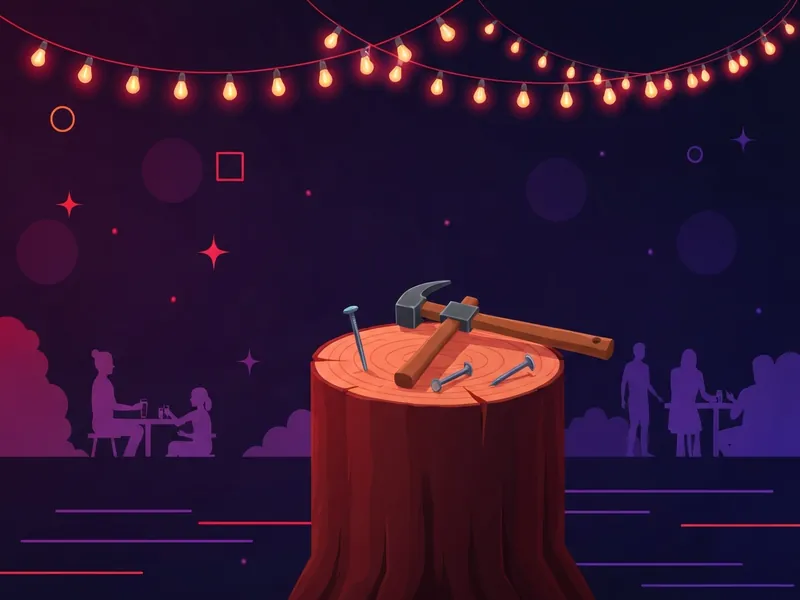
Hammerschlagen
One stump, one nail each, one hammer - last nail standing drinks.
Germany's park classic - hit the target, chug while they fetch.
Also known as: Flunky Ball · Beer Ball (Germany)

Flunkyball is Germany's gift to outdoor drinking: two teams, one target bottle in the middle, and a simple deal - Knock it over with a ball and your whole team chugs while the other side scrambles to reset it. The moment the bottle stands upright again, everyone stops mid-sip. It is part beer pong, part dodgeball, part sprint relay, and it turns any park, beach, or backyard into a stadium.
What makes Flunkyball so beloved is the rhythm. Every throw matters, every reset is a race, and the tension between chugging fast and throwing accurately keeps both teams locked in. You will find it at German student parties, festivals, and lazy Sunday afternoons in Berlin parks. All you need is a ball, a plastic bottle, a beer per player, and a stretch of open ground.
Both teams stand behind their lines with an open beer at their feet. Nobody drinks yet. The target bottle stands in the middle, equidistant from both lines. Agree before the first throw on what counts as a knockdown - Usually the bottle must clearly tip over, not just wobble - To avoid mid-game arguments.
Teams alternate throws, one player per turn, rotating through the roster so everyone throws. The thrower aims to knock the middle bottle over with the ball. Misses simply pass the turn to the other team. A clean hit sends the game into its signature scramble, so every toss carries real weight.
The instant the bottle goes down, every player on the throwing team grabs their beer and chugs. This is your only legal drinking window, so make it count. Meanwhile, the defending team explodes into action - The faster they reset, the less your team gets to drink. Spilling or fumbling your beer wastes precious seconds.
Two defenders (or however many your house rules allow) sprint out: one retrieves the ball, one stands the bottle back upright, then both run back behind their line. Only when the bottle is standing AND the runners are back does the reset count. The moment they shout stop, all drinking must cease immediately.
When a player finishes their beer completely, they show the empty - Most groups require holding it upside down over their head to prove it. That player stops drinking but usually keeps throwing for the team. Some rulesets retire finished players entirely; agree beforehand which way you play it.
The game ends when every player on one team has finished their beer and proven it. That team wins. If the last player empties their bottle during a legal chugging window, victory is sealed. Losers traditionally fetch the next round or reset the pitch for the rematch.
The organized-league version played at German and Scandinavian tournaments: fixed distances, standardized 0.5L beers, referees, and strict foot-fault enforcement. Teams are seeded into brackets and matches are best-of-three. If your crew argues about wobbling bottles and early sips, adopting a written tournament ruleset settles everything before it starts.
Only a single defender may leave the line to both fetch the ball and reset the bottle. Resets take far longer, which means bigger drinking windows and much faster games. Great for smaller teams or when you want a shorter, more chaotic match - But expect the running player to earn their legs.
No bottle handy? Use a traffic cone, a stacked can pyramid, or any knockable target. Bigger targets mean more hits and more frequent chugging, so this version suits groups who care more about the party than the precision. Adjust the throwing distance upward to keep some challenge in it.
The cold-weather cult version played in snow, where the ball is sometimes swapped for a snowball-safe alternative and the reset sprint becomes genuinely treacherous. Popular at ski trips and Nordic universities. Keep the beers from freezing, shorten the distance, and accept that footing - Not aim - Decides most matches.
Players who finish their beer are fully retired from throwing as well as drinking, shrinking the team's throwing rotation as the game goes on. This flips the strategy: your best arm should not finish first. The endgame often comes down to one thirsty player throwing alone under enormous pressure.
Flunkyball is widely believed to have emerged from German student and youth culture, with most accounts placing its rise in the 1990s and 2000s, though its exact birthplace is disputed - Hamburg, Berlin, and various university towns all claim it. It spread through parks, schoolyards, and festivals across Germany and Scandinavia, and today there are organized tournaments with codified rulebooks. Whatever its true origin, it is now a fixture of German open-air party culture.
Published · Last updated · How we research games
One stump, one nail each, one hammer - last nail standing drinks.
Nine pubs, nine pars - the great British drinking crawl.
Boxed wine on a spinning clothesline - Australia's finest.
Float the shot glass, pour with a surgeon's hand - don't sink it.
Ten cups, two balls, eternal glory - the classic table sport.
Drink, set, flip - the fastest team relay in party sports.
BestDrinkingGame.net is a drinking-games site made for adults. Please confirm you are of legal drinking age before you come in.
By entering you agree to our terms and to drink responsibly. Know the legal drinking age where you live (21+ in the US).
You need to be of legal drinking age to use this site. Thanks for stopping by, and stay safe.
Every game here can also be played alcohol-free once you're old enough. See you soon.