Cups
Sink the Ship
Float a cup in the pitcher and pour - whoever sinks it drinks it.
Hit their can with the ball, then chug until the catch is made.
Also known as: Beer Die (variant) · Can Ball
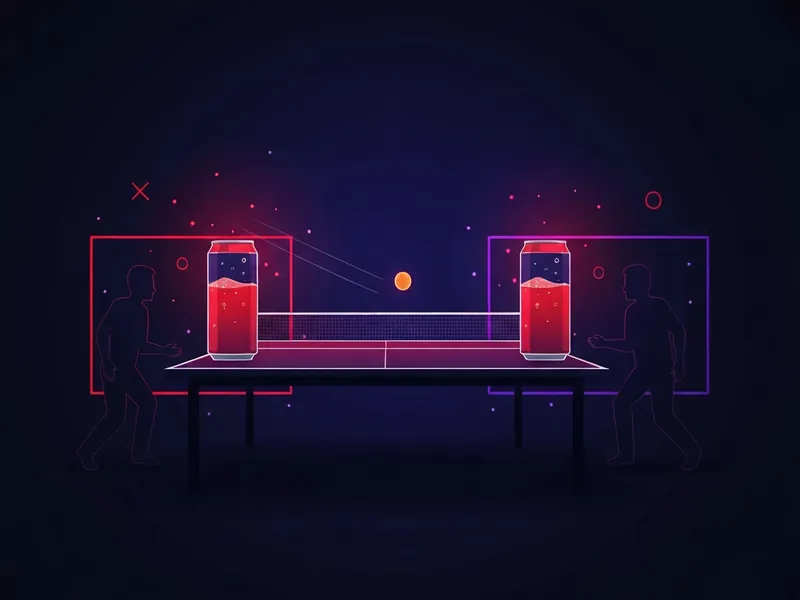
Beer Ball is beer pong stripped down to pure aim and speed: no cups, no rack, just a full can standing at each end of the table and a single ping pong ball whipping between two teams. You throw the ball on the fly to knock over or strike your opponents' can, and the instant you connect, your own team cracks open and chugs - drinking without pause until the other side chases down the ball and slams it back on the table.
It is fast, it is loud, and it rewards a flat, hard throw over the gentle arc of pong. Two players a side, everyone standing, and a rhythm of throw-miss-retrieve that suddenly explodes into a frantic chug-versus-retrieve race the moment a can gets tagged. Because you only drink when your own team scores, the game turns the usual logic on its head - a great throw is what puts the beer to your lips.
On your turn, throw the ping pong ball down the table and try to hit the full can standing at the other team's edge. Throws are on the fly - most house rules require a direct strike, though some allow a single bounce. You are aiming to knock the can over or clearly tag it, so a flat, hard throw beats the soft arc you would use in beer pong.
The moment your throw connects with the opponents' can, your own team immediately opens their beers and starts drinking - and does not stop. Both teammates on the scoring side chug continuously. This is the whole hook of Beer Ball: you drink when you score, not when you get scored on, so a good arm is directly tied to how much beer you put away.
As soon as their can is hit, the defending team scrambles after the loose ball, and one of them must grab it and set (or slam) it back on the table to stop the drinking. Whatever the scoring team drank in those few seconds is theirs to keep down. A ball that rolls under the couch is a nightmare for defenders and a jackpot for chuggers.
Once the ball is back on the table, the chug ends and the target can is stood back upright. The throw passes to the other team (or alternates player by player - agree in advance), and play continues. Because rounds resolve in seconds, Beer Ball moves at a relentless pace with almost no downtime between throws.
When a target can gets drained through repeated chugs, crack a fresh one and stand it up as the new target. Keep spares within reach so the game never stalls. Some groups treat finishing a can as a mini-milestone; others just keep swapping until they hit the agreed number of scoring hits and end the game there.
Decide a win target before you start - first team to a set number of successful hits, or most hits over a fixed time. Since scoring is what makes you drink, the winning team is often the one that drank the most, which is a fun inversion. Keep the target modest so the total volume stays sensible.
Let throws bounce once off the table before hitting the can. Bounces are easier to aim low and can be tougher for defenders to react to, which speeds up scoring and drinking. Some tables reward a bounce hit with a longer chug window - the defenders must retrieve the ball from wherever a ricochet sends it. Decide whether bounces count for more before you start.
Stand each target can on top of an empty cup or small stack at the table edge, so a hit sends the can clattering and makes a clear, satisfying miss-or-make signal. It also raises the target slightly, changing the ideal throw height. This version removes any argument about whether a can was really struck - if it falls off its perch, it counts.
Use sealed water cans (or keep beer to the side and sip your own) so the throwing and retrieving stays intense while each player controls their alcohol intake. On a hit, the scoring team sips their own drink for a fixed count instead of open-ended chugging. You keep the frantic ball-chase energy without the heavy continuous drinking of the classic rules.
Give every one of the four players their own target can instead of one shared can per team. A throw can target any single can on the far side, and only the scorer drinks. It spreads the drinking around more evenly and adds a layer of choice - do you go for the shakier can or the one the weaker defender is guarding?
Beer Ball is widely described as an American college drinking game, often framed as a simpler, cup-free alternative to beer pong that spread through dorms and backyards in the 2000s. Its exact origin is not well documented, and the name is shared by several loosely related throwing games, so details differ by region. The core idea - throw a ball to hit a can and chug while the other team retrieves it - is the version most commonly played and the one described here.
Published · Last updated · How we research games
Float a cup in the pitcher and pour - whoever sinks it drinks it.
Sit across the room and land a bottle cap in your rival's cup.
Ten cups, two balls, eternal glory - the classic table sport.
Drink, set, flip - the fastest team relay in party sports.
Germany's park classic - hit the target, chug while they fetch.
A table, four cups and a die flying at terminal velocity.
BestDrinkingGame.net is a drinking-games site made for adults. Please confirm you are of legal drinking age before you come in.
By entering you agree to our terms and to drink responsibly. Know the legal drinking age where you live (21+ in the US).
You need to be of legal drinking age to use this site. Thanks for stopping by, and stay safe.
Every game here can also be played alcohol-free once you're old enough. See you soon.