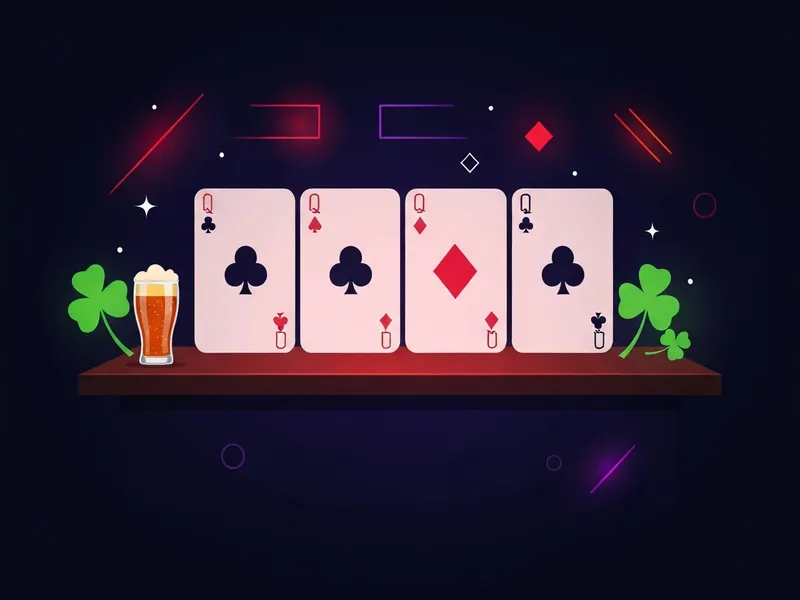
Cards
Irish Poker
Four guesses, four cards - call them right or drink them wrong.
Slap the pile, count the cards, and never blink.
Also known as: Snap (drinking version)
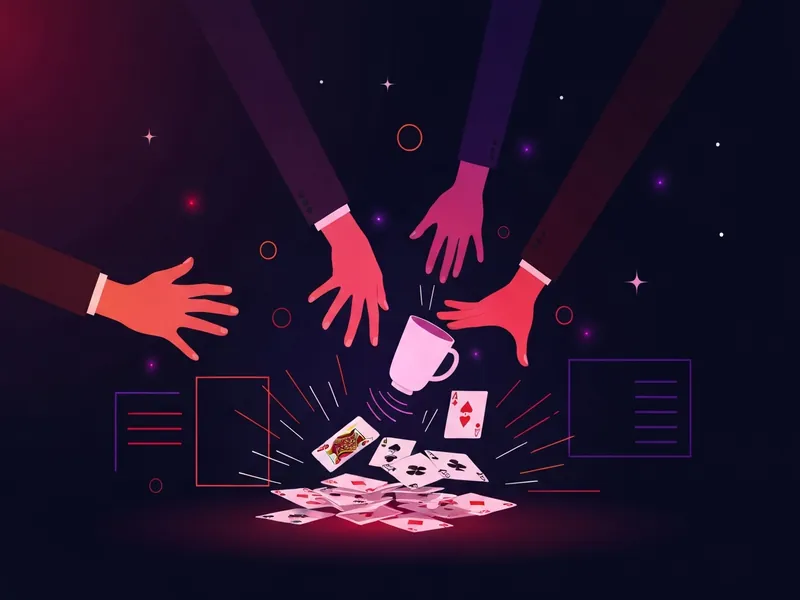
Irish Snap is a reflex test wearing a card game as a disguise. Players take turns flipping cards onto a central pile while counting aloud in sequence - ace, two, three, up through king and around again. If the card flipped ever matches the number being spoken, everyone slams a hand onto the pile. Last palm down drinks and eats the whole pile into their hand. First player to empty their cards escapes; the game grinds on for everyone else.
What elevates Irish Snap above ordinary Snap is the counting trap. Your mouth says 'seven' while your eyes read a jack, and somewhere in your brain two wires cross - suddenly you have slapped a pile for no reason, and false slaps drink too. The game gets measurably harder as the night goes on, which is either a flaw or the entire point, depending on how your evening is going. It is loud, fast, occasionally painful, and completely magnetic.
Moving clockwise, each player flips their top card onto the central pile while speaking the next value in sequence: ace, two, three... jack, queen, king, back to ace. The flip must be outward and fast, so the flipper does not see the card before the table does. Keep the tempo brisk and steady - the rhythm is what hypnotizes people into mistakes.
The instant a flipped card matches the spoken number - someone says 'four' while a four lands - every player slaps the pile. The last hand on the stack loses, takes the entire pile into their stack, and drinks. The winner of the slap is irrelevant; Irish Snap only punishes the slowest, which keeps all eyes locked on every single flip.
Slap when there was no match and you have volunteered yourself: a false slapper drinks and takes the pile (or on gentler tables, drinks two and play continues). This rule is the game's backbone, because without it everyone would slap every flip. Twitchy hands hovering over the pile learn expensive lessons here.
Most tables run more than the count-match: doubles (two identical values in a row), sandwiches (a value repeated with one card between), and a permanent slap-on-jacks rule are the popular additions. Every extra trigger multiplies the mental load dramatically. Three triggers running simultaneously at midnight is genuinely one of gaming's great stress tests.
Shedding all your cards is the goal, but you are not free yet on most rulesets: an emptied player must still slap on triggers for one full rotation, and a losing slap drags them back in with the whole pile. Truly escaping Irish Snap requires winning and then surviving your victory lap - a final cruelty everyone agrees is fair.
As players escape one by one, the game funnels down to a last pair trading an increasingly enormous pile back and forth, at speed, with the whole table watching. The final player left holding cards is the overall loser and traditionally finishes their drink. Reshuffle and redeal - rounds are short, revenge is immediate.
Count-match is the only trigger - no doubles, no sandwiches, no jack rules. This is the correct version for first-timers and the recommended reset when a table has stacked so many triggers that every flip causes a six-hand pileup. Master the pure count trap before decorating it.
Every popular trigger runs at once: count-match, doubles, sandwiches, jacks, plus 'top-bottom' (flipped card matches the very first card of the round). Veterans only. The cognitive load is absurd, false slaps outnumber real ones, and the pile changes hands constantly. The loudest ten minutes available from one deck of cards.
The count happens in heads only: the table establishes the rhythm with a starting 'ace, two...' and then goes silent, each player flipping on the beat while tracking the count mentally. Matches still demand slaps. Losing the internal count is inevitable and hilarious, and accusing others of mis-slapping becomes unfalsifiable philosophy.
Instead of taking the pile, slap losers keep their cards but add sips equal to the pile's size to a running tab they drink immediately (capped at six). Rounds finish much faster since piles never recirculate, making this the format for quick tournament brackets where each round should take five minutes.
Place one fewer bottle cap (or spoon) than players beside the pile. On any trigger, grab a cap instead of slapping; the player left without one drinks and takes the pile. Removes the hand-stack injuries entirely while keeping every ounce of the panic, and works beautifully for larger groups of six-plus.
Irish Snap is believed to be a pub-and-schoolyard evolution of classic Snap, itself a Victorian-era children's game, with the counting mechanic added to make matches unpredictable. Despite the name, its specific Irish origin is unverified - 'Irish' labels on British Isles games often just signal a rowdier variant. Most accounts describe it spreading through UK and Irish student circles, where the drinking penalty replaced the gentler pile-collecting stakes of the family version.
Published · Last updated · How we research games
Four guesses, four cards - call them right or drink them wrong.
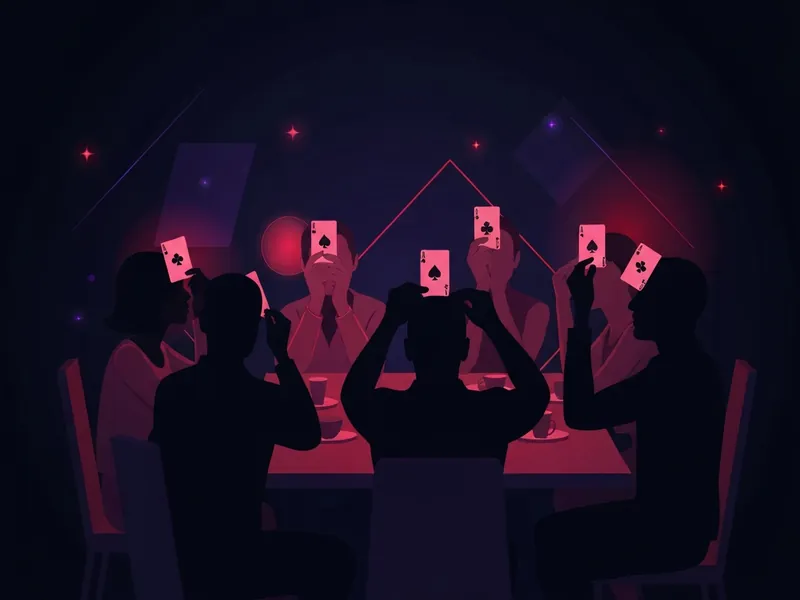
Everyone can see your card except you.

Lie beautifully or drink honestly.
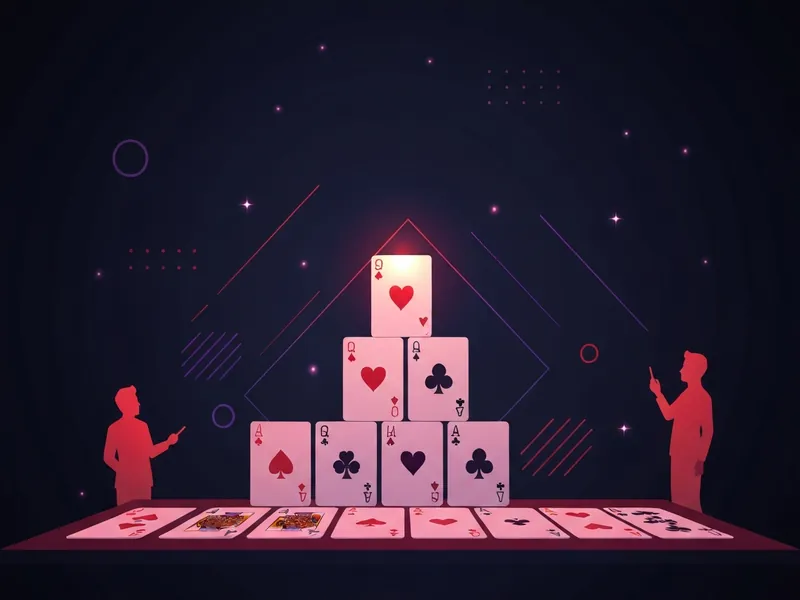
Every flipped row raises the stakes - bluff your way up.

Heads down, heads up - lock eyes and drink.
Two ones and the table drinks - simple, sudden, savage.
BestDrinkingGame.net is a drinking-games site made for adults. Please confirm you are of legal drinking age before you come in.
By entering you agree to our terms and to drink responsibly. Know the legal drinking age where you live (21+ in the US).
You need to be of legal drinking age to use this site. Thanks for stopping by, and stay safe.
Every game here can also be played alcohol-free once you're old enough. See you soon.