Challenge
Kan Jam
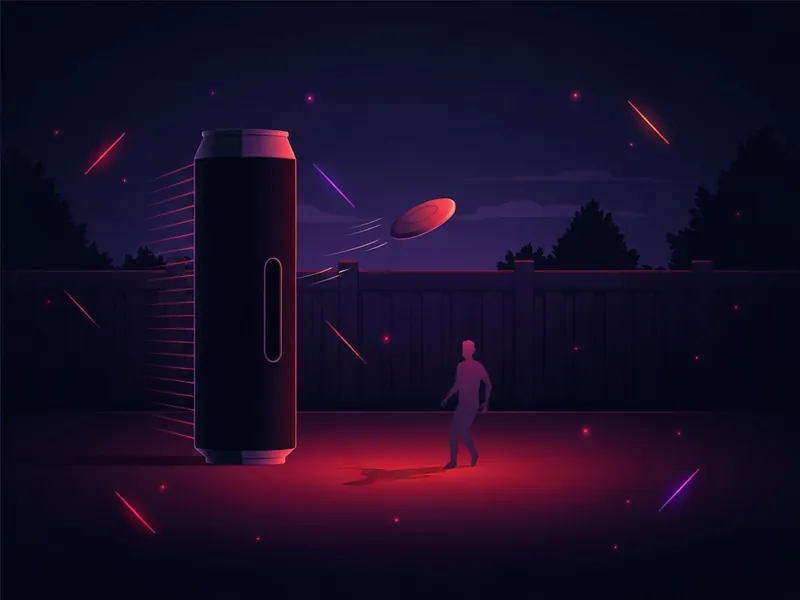
Slam the frisbee through the slot - or drink to the deflection.
You sank my battleshot - naval warfare on a cardboard grid.
Also known as: Battle Shots · Drinking Battleship
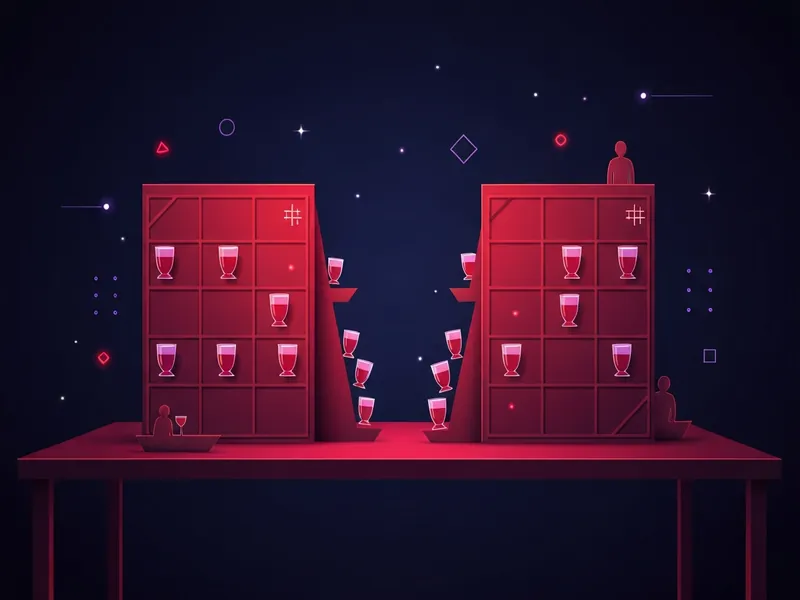
Battleshots is the childhood classic Battleship rebuilt with consequences: two players, two hidden grids, and fleets made of shot glasses instead of plastic pegs. You call coordinates - 'B4!' - And if there's a glass sitting on that square of your opponent's board, they drink it and the hit stands. Sink every glass in their fleet and you've won the war. Miss, and the barrage comes back the other way.
What makes Battleshots great is that it's a real strategy game wearing a party costume. Fleet placement matters, search patterns matter, and remembering your hits matters more with every round - Which is a cruel joke, given what the hits are made of. It's the definitive two-player showdown for game nights: build the boards once out of a pizza box and a marker, and you'll refloat the fleets all year.
Place your three ships anywhere on your 5x5 grid - Horizontal or vertical, never diagonal, no two ships overlapping. Nine glasses on twenty-five squares means most of your board is open water, so think like a defender: corners and edges survive lazy center-heavy search patterns, but seasoned players hunt edges first. There's no objectively safe placement, only unpredictable ones.
Players alternate single shots, called as a column letter plus row number: 'C2'. Say it once, clearly - A called shot is final, and take-backs are how friendly games become naval incidents. Mark every call on your tracking grid immediately, hit or miss, because in this game your memory degrades at a rate directly proportional to your success.
The defender checks the called square and announces 'hit' or 'miss' - Loudly and honestly. On a hit, the defender drinks the glass on that square, then leaves the empty glass in place upside down so both players can verify the wreckage later. On a miss, simply say so. The honor system is the entire game; cheaters get keelhauled from future game nights.
When the last glass of a ship is drunk, the defender must announce it: 'You sank my destroyer.' Saying the line is mandatory and non-negotiable - It's the whole reason anyone builds this game. Sink announcements are also real intel, telling the attacker how many ships remain and what sizes are still afloat, so the endgame sharpens with every wreck.
Strategy 101: shots scatter until you score a hit, then cluster. A hit means a ship extends in one of up to four directions, so probe the adjacent squares in a line until the sink announcement comes. Attackers who wander off after one hit leave wounded ships afloat and waste turns; attackers who over-focus forget the rest of the ocean exists. Balance both.
Sink all three enemy ships - All nine glasses - Before your fleet goes down and you win. The loser refills both fleets for the rematch; the winner gets first call. For a series, play best-of-three with fleets moving between games, and expect game three to feature two admirals squinting at five-by-five grids like they're defusing a bomb.
Two admirals per board: one calls shots, one manages the tracking grid and drinks half the incoming hits. Teams confer in whispers before each call. Splitting the drinking across two livers makes the standard fleet far more manageable, and arguing about search patterns with a co-commander is at least half the entertainment. Rotate roles between games.
Each turn you fire one shot per ship you still have afloat - Three calls at full strength, dwindling as your fleet sinks. The defender answers all shots before any glasses are drunk. Salvo triples the pace and creates real comeback tension, since a dominant fleet rains fire while a dying one gets a single desperate call per turn. Use light pours; the volume adds up.
Replace shot glasses with quarter-filled cups of beer and expand to a 6x6 grid with a second patrol boat. The bigger ocean stretches games to a leisurely twenty-plus turns, and cup 'hits' are gentler than spirits, making this the right build for a long games night where Battleshots is the main event rather than a quick skirmish.
During setup, each player also marks two secret mine squares on their own grid (written down beforehand for verification). If an attacker calls a mine square, the attacker drinks instead of the defender. Mines add a genuine risk to every call and punish reckless spray-and-pray searching - But verify the written records at game's end, because mine fraud is a court-martial offense.
Battleshots is a straightforward drinking adaptation of Battleship, the guessing game that began as a pencil-and-paper pastime in the early 20th century before Milton Bradley boxed it in 1967. When shot glasses replaced pegs is anyone's guess - Homemade Battleshots boards were a well-documented college craft project by the late 2000s, spread by photo forums and DIY blogs, and the pun in the name was presumably irresistible from day one.
Published · Last updated · How we research games
Slam the frisbee through the slot - or drink to the deflection.
Heels up, hands on the keg - the countdown is the crowd's job.

Pass the glass boot around - don't be the one who gets splashed.
Name your odds, count to three, and pray your numbers don't match.
Ten cups, two balls, eternal glory - the classic table sport.
Five dice, one cup, zero honesty - call the bluff or drink it.
BestDrinkingGame.net is a drinking-games site made for adults. Please confirm you are of legal drinking age before you come in.
By entering you agree to our terms and to drink responsibly. Know the legal drinking age where you live (21+ in the US).
You need to be of legal drinking age to use this site. Thanks for stopping by, and stay safe.
Every game here can also be played alcohol-free once you're old enough. See you soon.