
World
Kastenlauf
Race the course carrying a crate - it must be empty at the line.
Korea's clapping trap - clap on every 3, 6 and 9 or drink.
Also known as: Sam-Yuk-Gu · 369 Game

3-6-9 - Sam-Yuk-Gu in Korean - Is the drinking game equivalent of patting your head while rubbing your stomach. Players count upward around the circle, but any number containing a 3, 6, or 9 must be clapped instead of spoken. Say 'one, two,' clap, 'four, five,' clap... simple, right? Then the count hits the thirties, where nearly every number needs clapping, and the whole table detonates.
This is one of Korea's most beloved bar games precisely because it needs nothing: no cards, no dice, just a circle of people and a rhythm. It starts deceptively slow, builds a hypnotic chant, and then punishes the first brain that drifts for half a second. A round rarely survives past 40, someone always claps on a perfectly innocent 24, and the laughter-to-equipment ratio is unbeatable.
Numbers containing a 3, 6, or 9 are never spoken - They're replaced with a single clap. That means 3, 6, 9, 13, 16, 19, 23, 26, 29, and then almost everything in the thirties. Everything else is said aloud, in order, one number per player around the circle. That's the entire game; the difficulty is purely in your own head.
The first player says 'one', the next 'two', the next claps (for 3), then 'four', 'five', clap, 'seven', 'eight', clap, 'ten'... Keep a steady, shared rhythm - Korean tables often bounce or drum the beat. The rhythm is the trap: it lulls you into autopilot right before a clap number arrives at your seat.
13, 16, 19, 23, 26, 29 - One clap each, sprinkled among ordinary numbers. This is the zone where overconfident players die, clapping on 14 or proudly announcing 'sixteen'. Count ahead silently to know what's coming to your seat, but don't mouth numbers - Visible lip-counting earns heckling, and in strict tables, a drink.
Thirty through thirty-nine ALL contain a 3, so every single turn is a clap. Ten claps in a row around the circle - And the classic double rule says 33, 36, and 39 contain two of the sacred digits, so they get two claps. Most rounds end somewhere in here, in a glorious pile-up of wrong claps and blurted numbers.
Any mistake ends the round: speaking a clap number, clapping a speak number, wrong clap count, breaking rhythm, or freezing entirely. The offender drinks the agreed penalty and the count restarts at one - Traditionally started by the loser. Rounds compress as the night goes on; reaching 40 becomes a genuine group achievement worth toasting.
Once the table gets sharp, speed up the beat, enforce the double-clap rule strictly, or push the target past 40 into the forties' deceptive calm (43, 46, 49 still bite). The game scales its difficulty perfectly with tempo, so you never need new rules to humble a table - Just a faster chant.
The classic hard mode: numbers containing two target digits - 33, 36, 39 - Demand exactly two claps, and one clap counts as a miss. The thirties become a memory gauntlet where players must track not just whether to clap but how many times. Recommended once your group routinely survives past thirty and needs humbling.
Every clap reverses the direction of play. With claps arriving every few numbers in the twenties and constantly in the thirties, the count ping-pongs unpredictably and nobody can pre-calculate which number will land on them. This kills the 'count ahead to my seat' strategy dead, which is exactly why tables adopt it.
Play with an accelerating beat: every ten numbers, the tempo audibly increases - Tables often have everyone drum the rhythm on the table. By the thirties the pace is frantic and claps come in machine-gun succession. Shortest rounds, loudest failures, and the best spectator variant for a crowded table.
Instead of clapping, the round's starter names a gesture - Touch your nose, raise both hands, peace sign - That replaces the clap for that round, changing each round. The swap breaks everyone's muscle memory instantly; veterans who never miss a clap will absolutely speak '13' while calmly touching their nose.
For bilingual tables: spoken numbers alternate between languages each turn (hana, two, clap, net, five...), or the loser picks the language for the next round. Juggling two number systems plus the clap rule overloads even sober brains, and it's a genuinely fun way to teach Korean numbers mid-party.
3-6-9 (sam-yuk-gu, simply the Korean words for three-six-nine) is a staple of South Korean drinking culture, played at university gatherings, bars, and company dinners for decades. Its precise origin is undocumented - Clapping-count games exist in many cultures - But the 3-6-9 form is distinctly Korean and was cemented in the national canon by TV variety shows and dramas that play it on air. It typically anchors a night of soju games alongside Baskin Robbins 31 and Titanic.
Published · Last updated · How we research games
Race the course carrying a crate - it must be empty at the line.
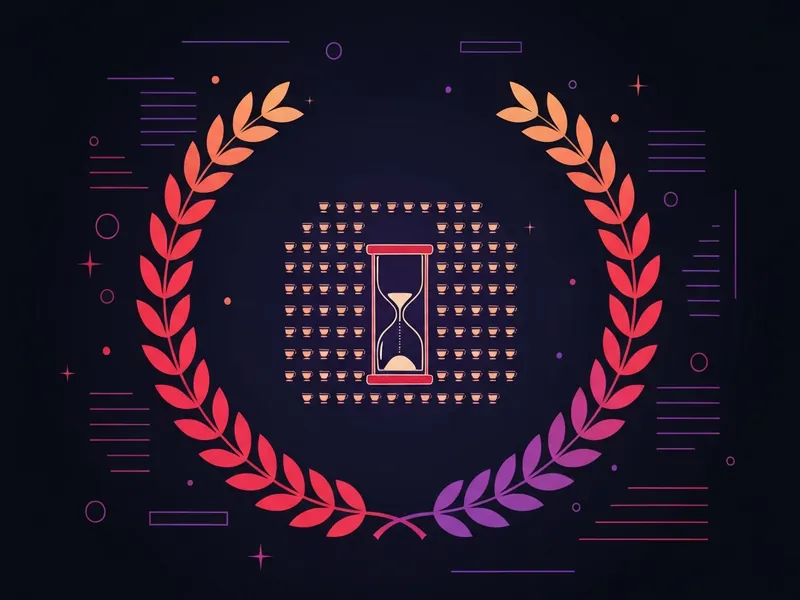
100 shots of beer in 100 minutes - the long war.
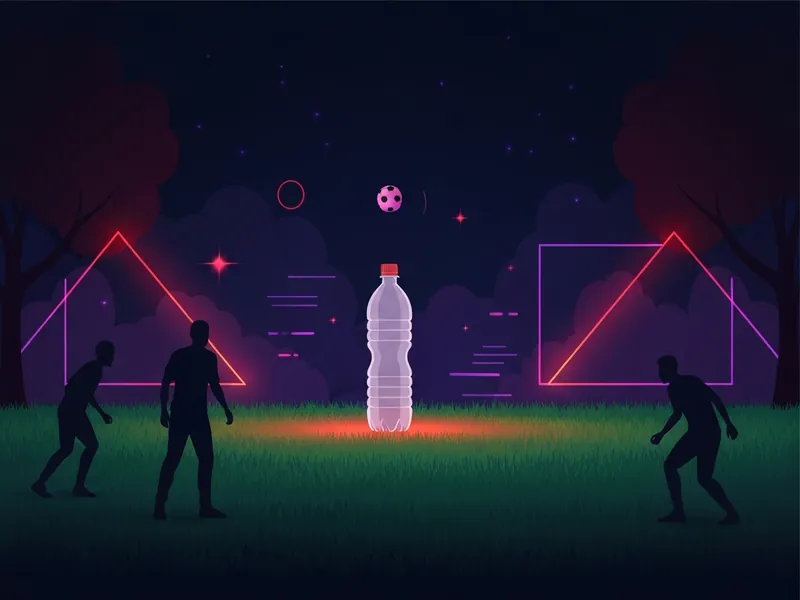
Germany's park classic - hit the target, chug while they fetch.
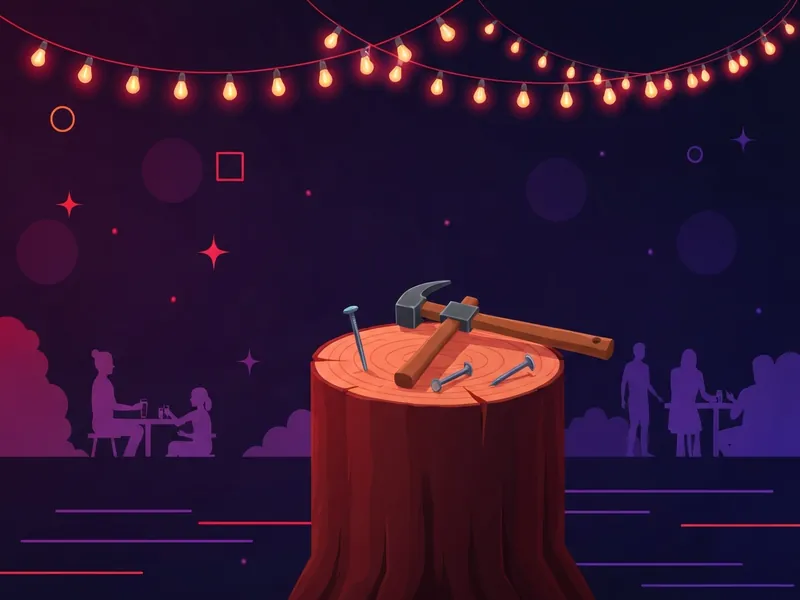
One stump, one nail each, one hammer - last nail standing drinks.
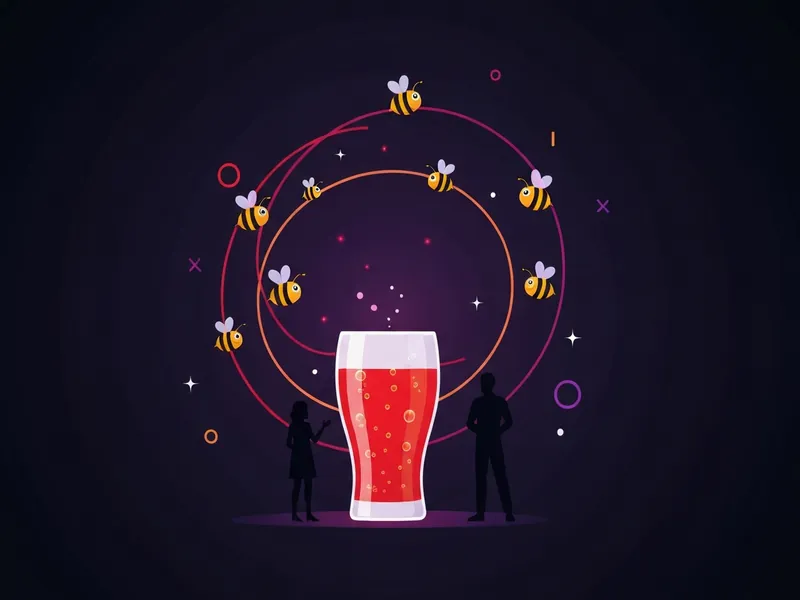
Count around the circle - but 5s bizz, 7s buzz, and brains melt.
Drum the table, throw your sign, catch theirs - miss and drink.
BestDrinkingGame.net is a drinking-games site made for adults. Please confirm you are of legal drinking age before you come in.
By entering you agree to our terms and to drink responsibly. Know the legal drinking age where you live (21+ in the US).
You need to be of legal drinking age to use this site. Thanks for stopping by, and stay safe.
Every game here can also be played alcohol-free once you're old enough. See you soon.